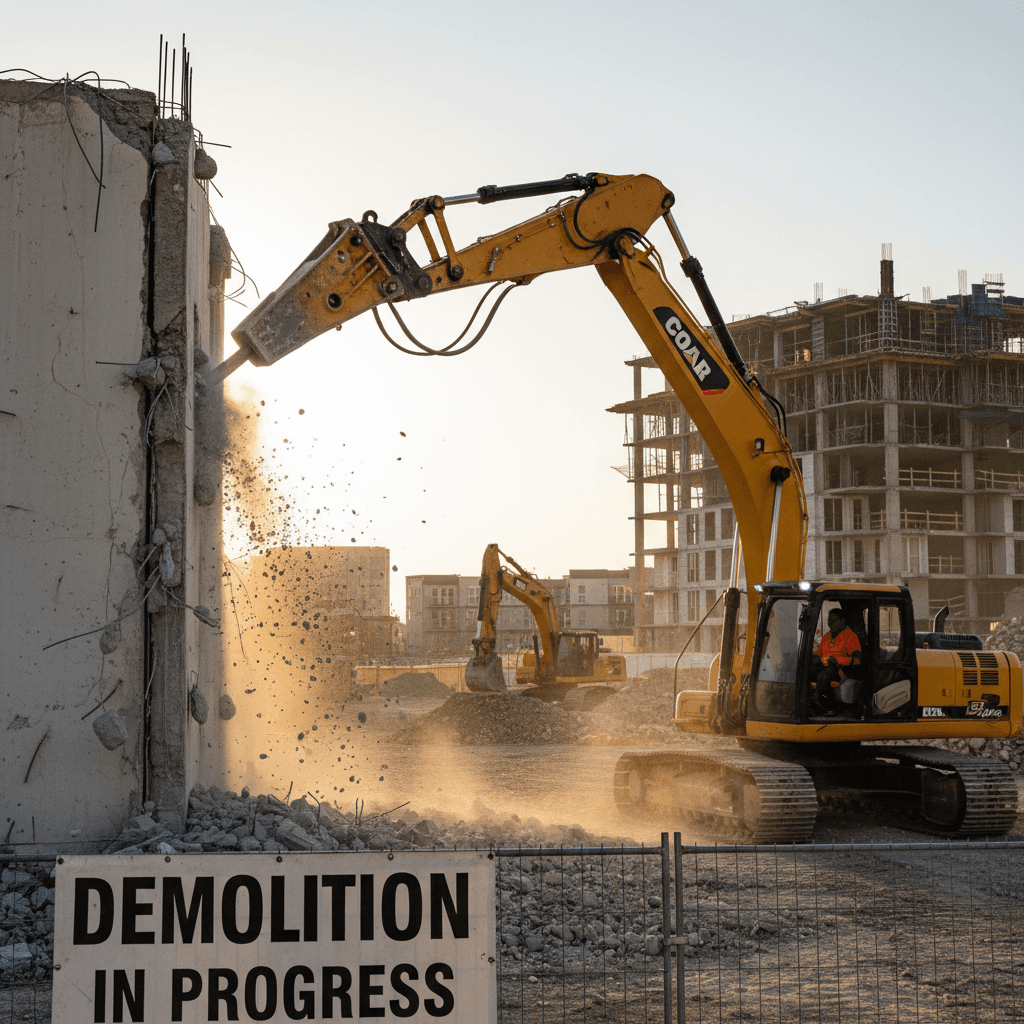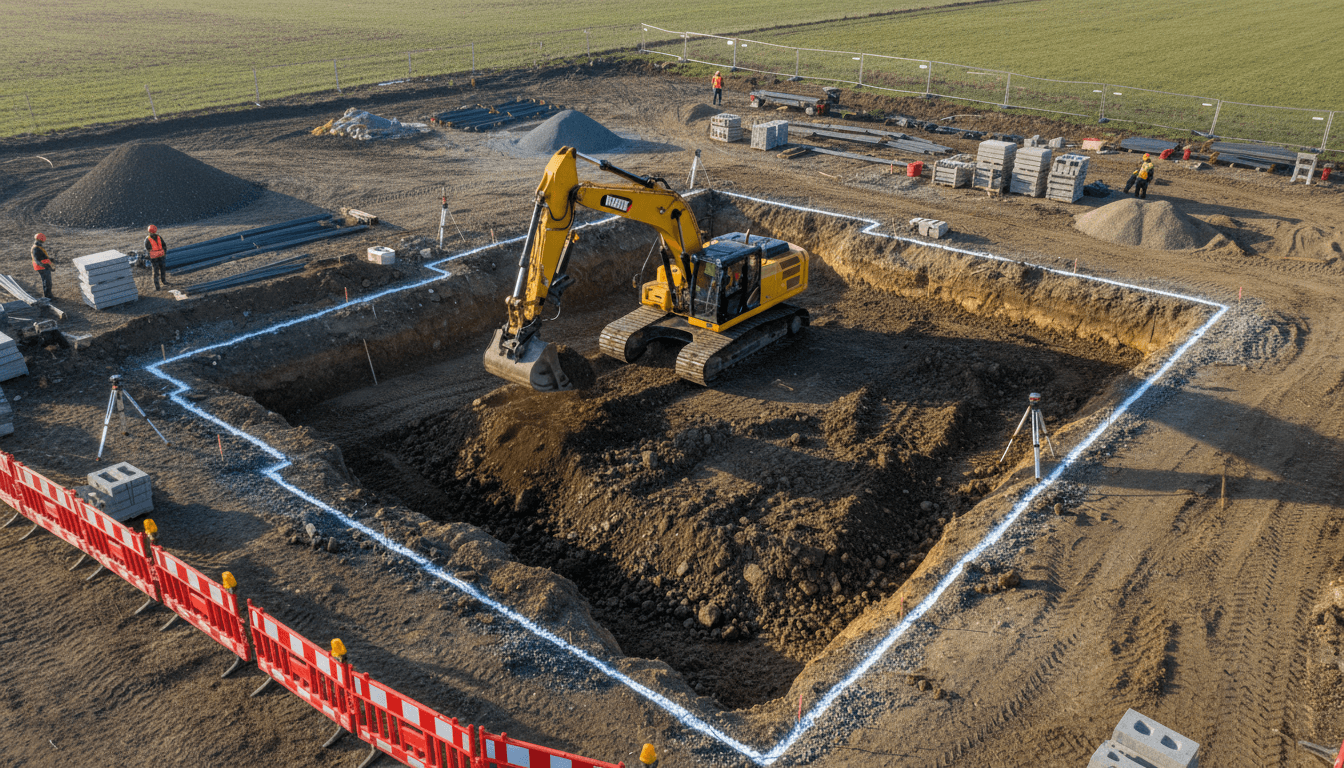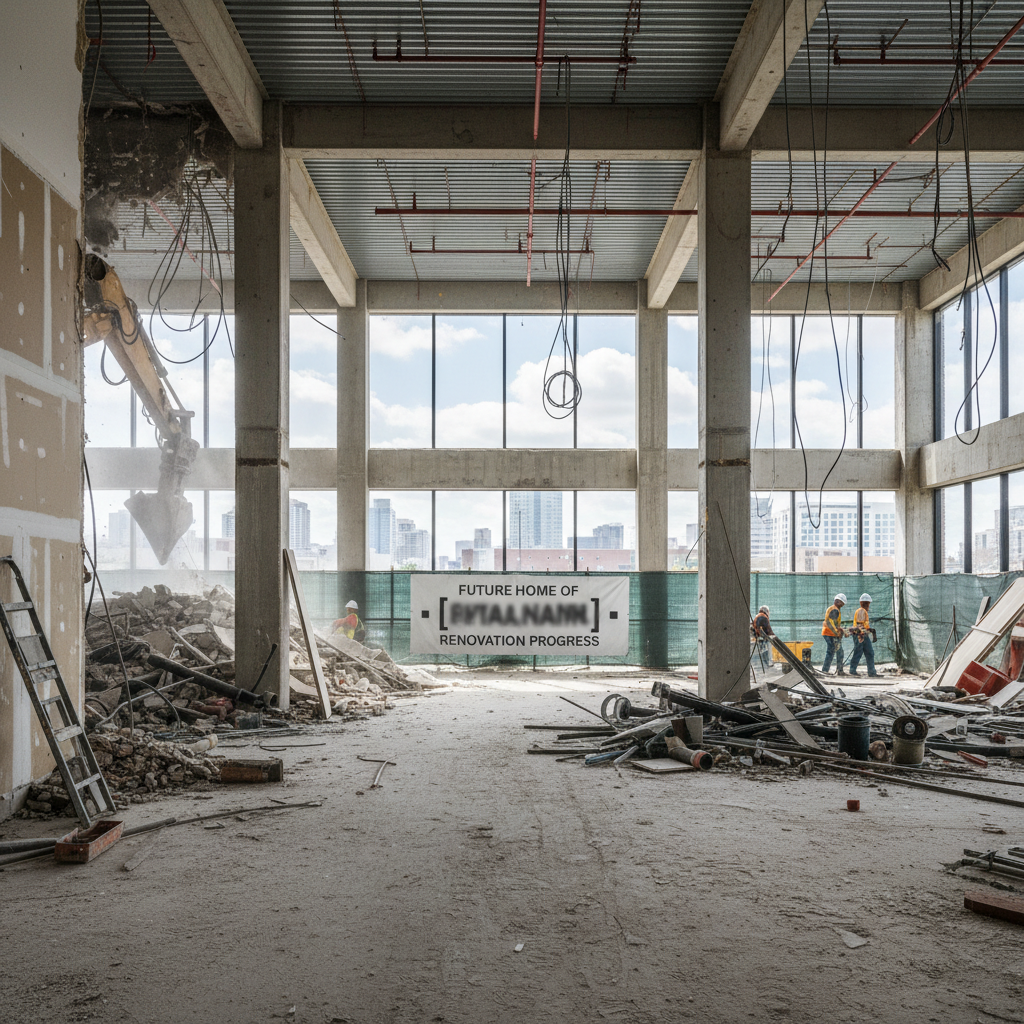
Interior demolition in Palm Desert typically involves site preparation, the systematic removal of non-structural elements, and strict adherence to local disposal regulations. Professional crews manage dust containment and structural safety during the gutting of walls or flooring; this ensures the space is cleared efficiently for upcoming renovations. The process concludes with a thorough site cleanup to leave the property ready for its next phase of development.
Starting a renovation in Palm Desert often feels like a gamble when you do not know what lies behind the drywall or how to navigate local regulations. Unexpected utility issues and poor dust management can quickly turn a simple remodel into a logistical nightmare. Proper interior demolition is the foundation of any successful rebuild; it requires technical precision and a deep understanding of Riverside County building codes. Efficiency matters because every day of delay impacts your bottom line and your sanity. This guide explores the essential phases of the process, including permitting requirements and specialized safety protocols for desert environments. You will learn about our methods for noise control in tight-knit communities, the nuances between residential and commercial projects, and how we handle sustainable debris removal to keep your site clean and compliant.
Navigating the Planning and Permitting Phase in Riverside County
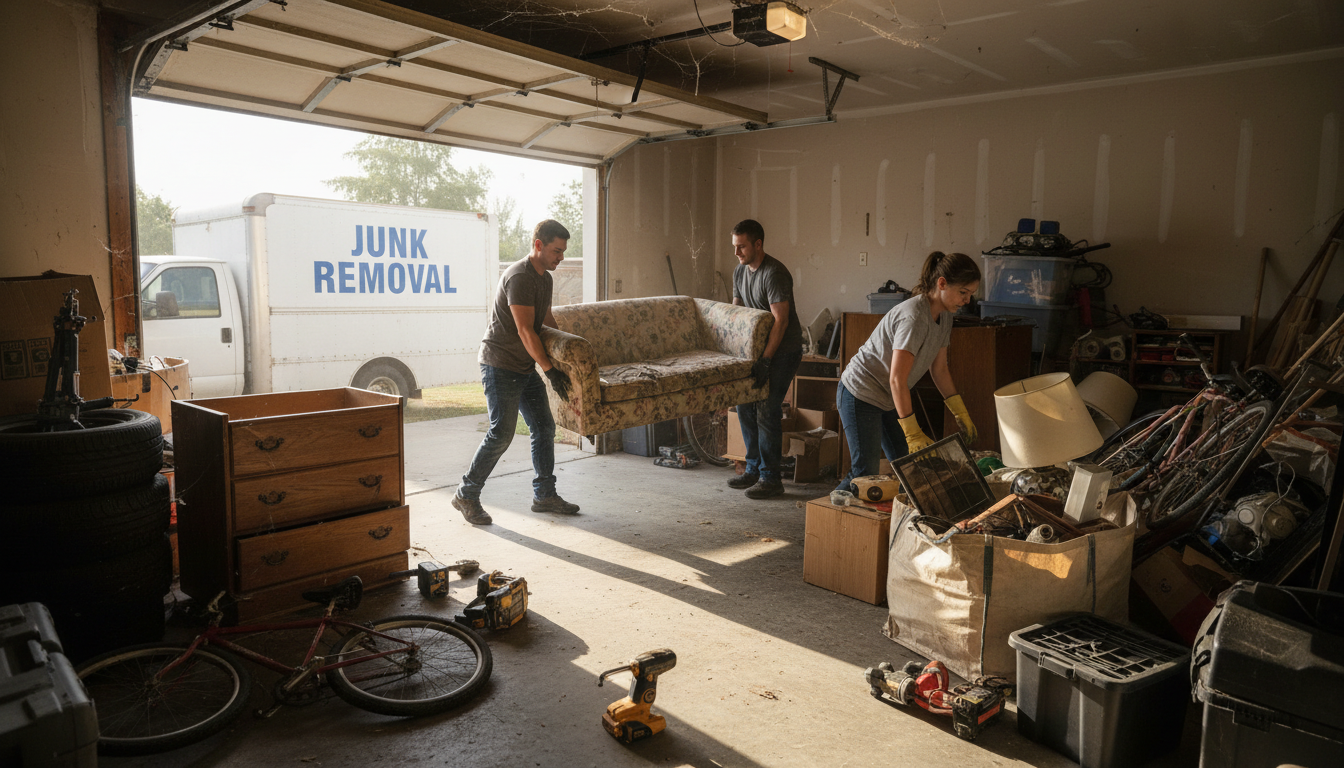
Success in a large-scale interior demolition Palm Desert project begins long before the first wall is breached. The process starts with a comprehensive on-site walkthrough to establish a clear "demo line." This line serves as a physical and conceptual boundary, distinguishing the structural elements or finishes that must remain intact from those slated for removal. During this phase, we identify critical infrastructure, such as load-bearing supports or shared plumbing lines, to ensure the scope of work is surgically precise and avoids unnecessary damage to the surrounding structure.
Regulatory compliance in the Coachella Valley is stringent. The City of Palm Desert and Riverside County require specific permits for interior renovations that involve structural changes or major mechanical alterations. A primary requirement for older structures, common in our local desert communities, is mandatory asbestos and lead testing. California law requires these inspections for buildings of a certain vintage to prevent hazardous fibers or dust from becoming airborne during the tear-out. We coordinate with certified environmental consultants to conduct these tests, ensuring all hazardous materials are identified and, if necessary, professionally remediated before the general crew begins work.
Managing the logistics of Riverside County’s building departments can be a complex hurdle for property owners. Demo Demo Demo takes the lead on this administrative phase, securing the necessary demolition permits and ensuring the project adheres to local building codes and waste management ordinances. This proactive approach prevents costly work stoppages and ensures that the transition from a gutted space to a new build is seamless. By handling the documentation and inspections, we allow homeowners and commercial property managers to focus on the vision for their new space while we manage the technicalities of local code enforcement.
Safety First: Site Preparation and Utility Shutoffs
Once permits are secured and the demo line is marked, the physical preparation of the site begins. This phase is often referred to as the make safe process, and it is the most critical stage for protecting both the property and the personnel on-site. Before any impact tools are used, all utilities must be properly addressed. We systematically locate and cap off gas lines, water pipes, and electrical circuits within the work zone. Hiring an expert for this step is nonnegotiable; improperly capped gas lines can lead to explosive leaks, and live wires hidden behind drywall are a primary cause of electrical fires during renovation. A professional crew ensures that while the power is cut to the specific demo zone, the rest of the building remains functional and safe.
In the arid climate of the Coachella Valley, dust management is a top priority for any interior demolition Palm Desert project. Drywall dust and debris can generate a significant amount of fine particulate matter that permeates a home if not strictly contained. To protect the remaining living or work spaces, we install zip walls or heavy-duty plastic sheeting. These temporary barriers create a sealed environment, preventing dust from migrating through HVAC vents, hallways, or under doorways.
Furthermore, site preparation includes a final structural assessment. We verify the location of load-bearing walls against the project blueprints and visual markers. Identifying these structural members is essential because removing a weight-bearing stud without proper temporary shoring can cause ceiling sag or catastrophic structural failure. Our team prioritizes this structural integrity, ensuring that the heavy lifting of demolition never compromises the underlying stability of the building.
The Core Process: Drywall Removal and Framing Strips
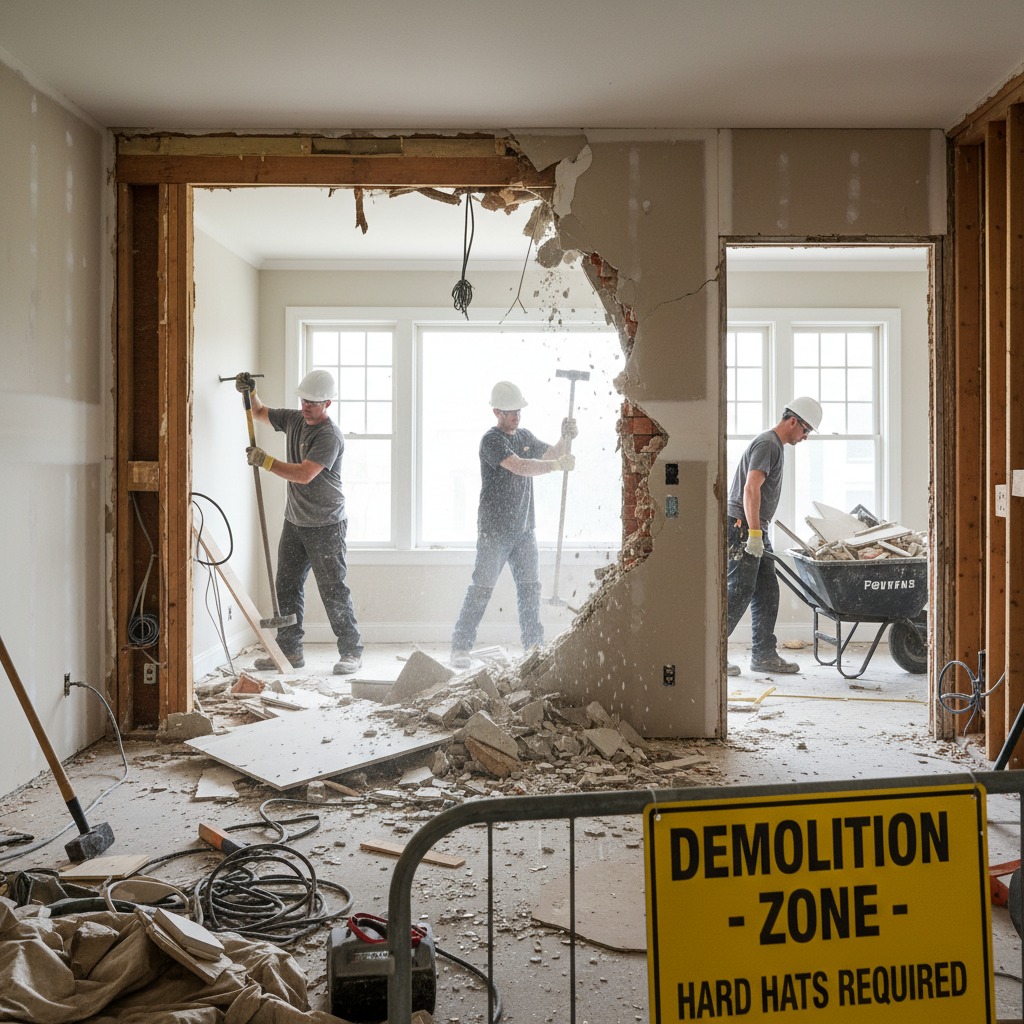
With the utilities secured and the site sealed, the physical transition of the space begins. We categorize these efforts into two distinct levels based on the project’s goal. A soft demo focuses on the removal of non-structural components. This typically includes cabinetry, countertops, flooring, and appliances. It is a surgical approach designed to prepare a room for cosmetic updates while leaving the wall surfaces intact. In contrast, a full gut is more intensive, involving the complete removal of everything within the demo line until only the wood or steel framing remains. For large-scale interior demolition Palm Desert projects, a full gut is often necessary to update outdated electrical systems, plumbing, or to reconfigure the layout of the building entirely.
The physical labor of stripping a room to its studs is a methodical process. Our crews do not simply swing sledgehammers, which creates uncontrolled dust and potential damage to hidden components. Instead, we use a systematic top-down approach. We start by removing drywall in manageable sheets. By identifying the fastener lines, we can use specialized pry bars to pop panels loose with minimal breakage. This reduces the volume of fine dust and makes debris management much more efficient. Once the drywall is clear, we address the insulation. Depending on the age of the structure, this may involve fiberglass batts or blown-in cellulose, each requiring specific handling to prevent the spread of irritants through the work zone.
The efficiency gap between a professional crew and a DIY effort is most apparent during the framing strip phase. While an amateur might struggle with stubborn nails and integrated fixtures, our teams utilize heavy-duty reciprocating saws to slice through framing nails and old pipe brackets quickly. Specialized deck-wrecking bars and high-leverage pullers allow us to clear the studs of any remaining fasteners or furring strips in a fraction of the time. This speed is essential in the Coachella Valley market, where high temperatures and tight construction schedules demand a fast turnaround. Stripping the space down to clean, bare studs provides a blank canvas for the next phase of construction, ensuring that plumbers and electricians have a clear path to begin their installations immediately.
Managing Dust and Noise in Palm Desert Communities
Executing interior demolition Palm Desert projects requires more than just physical labor; it demands a high level of environmental control to satisfy local standards. Most residential neighborhoods in Palm Desert are governed by Homeowners Associations (HOAs) that enforce strict noise ordinances. We manage these requirements by scheduling high impact tasks, like tile removal or frame cutting, during approved hours, typically between 7:00 AM and 5:00 PM on weekdays. This prevents complaints and ensures the project remains in good standing with the community.
The dry Coachella Valley air presents a unique challenge for dust control. While plastic barriers provide a physical shield, we utilize advanced dust mitigation technology to handle fine particulates. Industrial air scrubbers equipped with HEPA filters continuously cycle the air within the work zone, capturing 99.97% of airborne particles. For larger gut outs, we often establish negative air pressure. By venting air out through a filtered exhaust, we create a vacuum effect that pulls dust inward toward the demolition site rather than allowing it to seep into the rest of the home or a neighbor's yard. This professional approach protects sensitive HVAC systems and ensures the desert wind does not carry debris across the property line.
Debris Removal and Sustainable Disposal Practices
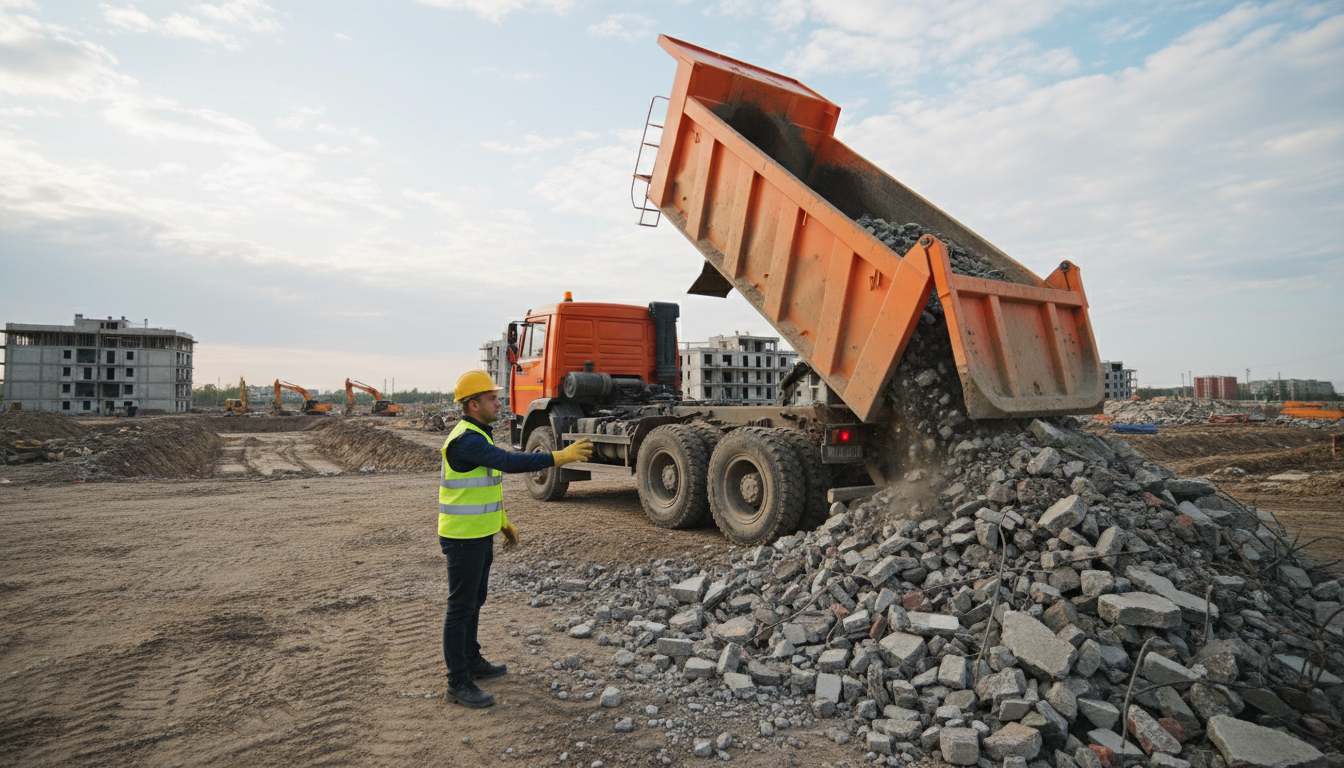
Once the physical teardown is complete, the logistics of debris management become the primary focus. For a large scale interior demolition Palm Desert project, the volume of waste generated can be substantial, particularly when removing heavy materials like porcelain tile, mortar beds, or concrete subflooring. We manage this through a systematic staging process. Rather than allowing debris to accumulate and create a safety hazard, we utilize skid steers equipped with non-marking rubber tracks to transport materials from the interior work zone to commercial dump trucks staged outside. This mechanical assistance is vital for maintaining the project timeline and ensuring that heavy loads are handled without manual strain or property damage.
Sustainability is a core component of our disposal strategy. The Coachella Valley has specific infrastructure for waste diversion, and we actively participate in these programs by sorting materials at the source. Wood framing, scrap metal, and clean concrete are separated rather than being treated as mixed waste. We coordinate with local facilities, such as the Burrtec or CR&R recovery centers, to ensure that recyclable materials are repurposed into new products or road base rather than occupying landfill space. This responsible approach helps developers and homeowners meet local green building standards and reduces the overall environmental impact of the project.
The final stage of the cleanup process is achieving a broom clean finish. This industry standard dictates that the site is not merely cleared of large items, but is thoroughly swept and vacuumed to remove fine dust, loose fasteners, and framing scraps. Providing a clean, bare slab or subfloor is essential for the trades that follow. By leaving the site in this condition, we ensure that flooring installers and carpenters can begin their work immediately without the need for additional site preparation.
Commercial vs Residential Interior Demolition Nuances
Professional interior demolition Palm Desert projects vary significantly based on the building’s occupancy and infrastructure. In commercial environments, such as retail strip malls or professional office suites, the process involves navigating complex, integrated systems. Our teams frequently manage projects where fire suppression lines remain pressurized and electrical grids are interconnected with neighboring tenants. Precision is mandatory to avoid triggering building-wide alarms or interrupting utility services for adjacent businesses. These projects often require specialized equipment to handle steel stud framing and commercial grade mechanical systems.
Residential demolition demands a different type of technical focus, primarily centered on protecting the property’s remaining assets. Working within the tight footprints of a Coachella Valley home requires surgical accuracy to ensure that high-end finishes, such as stone flooring or custom cabinetry in adjacent rooms, remain pristine. Demo Demo Demo possesses the versatility to transition between these environments, maintaining the high-limit liability insurance and specialized expertise required for large-scale work. Regardless of the building type, professional execution ensures that the structural integrity and mechanical safety of the property are never compromised during the transition to a new layout.