The average commercial building demolition cost per square foot typically ranges from $4 to $8, though specialized projects requiring hazardous material removal can cost as much as $25. Total pricing is influenced by building size, local permit fees, and the structural complexity of the property; hiring experienced contractors helps manage these variables effectively.
Calculating the cost of a commercial demolition project often feels like aiming at a moving target, especially when unexpected site conditions turn a simple teardown into a logistical nightmare. For developers and property owners, the difference between a profitable site preparation and a financial sinkhole often comes down to the accuracy of the initial square foot estimate. In high demand regions like Palm Desert, navigating local zoning laws and hazardous material disposal requires a level of precision that general contractors often overlook. This guide breaks down the actual market rates for 2024, examining the specific price differences between interior white box prep and full structural removal. We will identify the hidden cost drivers that inflate project bids and provide you with five critical questions to ask your contractor to ensure your budget remains intact from the first swing to the final haul away.
Average Commercial Building Demolition Cost Per Square Foot in 2024
Estimating a budget for a commercial project begins with understanding the national baseline. Most general contractors cite $4 to $8 per square foot as the standard; however, these figures often fail to account for the specific environmental and labor requirements in Southern California. In Palm Desert, the commercial building demolition cost per square foot typically moves into the $8 to $25 range. This elevation is driven by California’s strict debris diversion mandates, local permitting fees, and the specialized equipment needed to handle desert soil and dust mitigation.
Project size significantly influences the final quote. While a massive warehouse requires more total labor, the efficiency of large scale machinery often reduces the unit price. Conversely, smaller boutique retail spaces in tight plazas often carry a higher cost per square foot because of limited site access and the need for more manual labor or precision techniques that prevent damage to shared walls. This is known as economies of scale, where the mobilization costs for heavy excavators and crew are spread across a larger footprint, lowering the average cost for bigger structures.
Facility Type | Square Footage | Typical Palm Desert Cost Range (Per Sq Ft) |
|---|---|---|
Small Retail Spaces | 1,000 to 5,000 | $15 to $25 |
Mid-Sized Offices | 5,001 to 20,000 | $10 to $18 |
Industrial Warehouses | Over 50,000 | $8 to $12 |
These figures represent base expectations for comprehensive demolition services in the Coachella Valley. The final price fluctuates based on the proximity to regional disposal sites and the specific structural materials involved, such as reinforced concrete versus standard wood framing. A 10,000 square foot office build with complex internal partitions will always command a higher rate than a similarly sized open floor plan warehouse due to the increased labor hours required for sorting and hauling.
The Difference Between Interior White Box and Full Exterior Teardowns
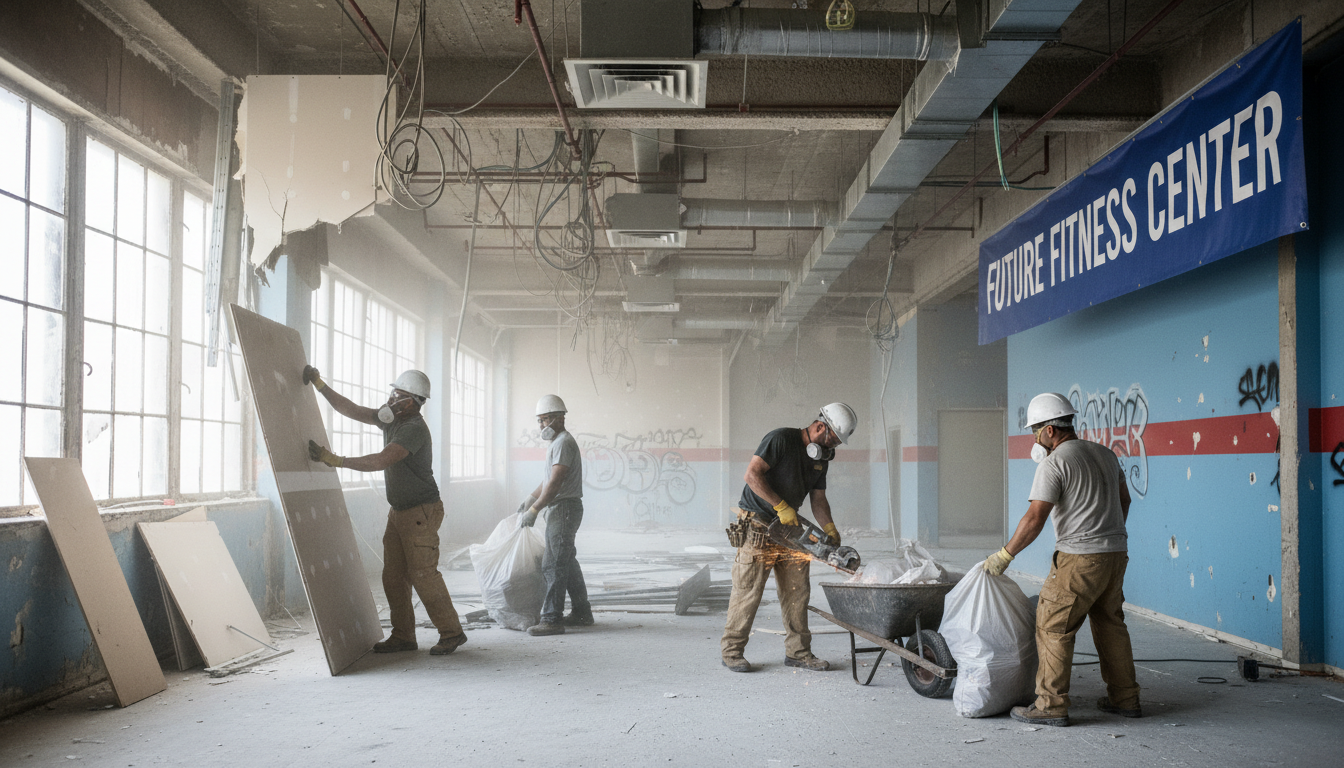
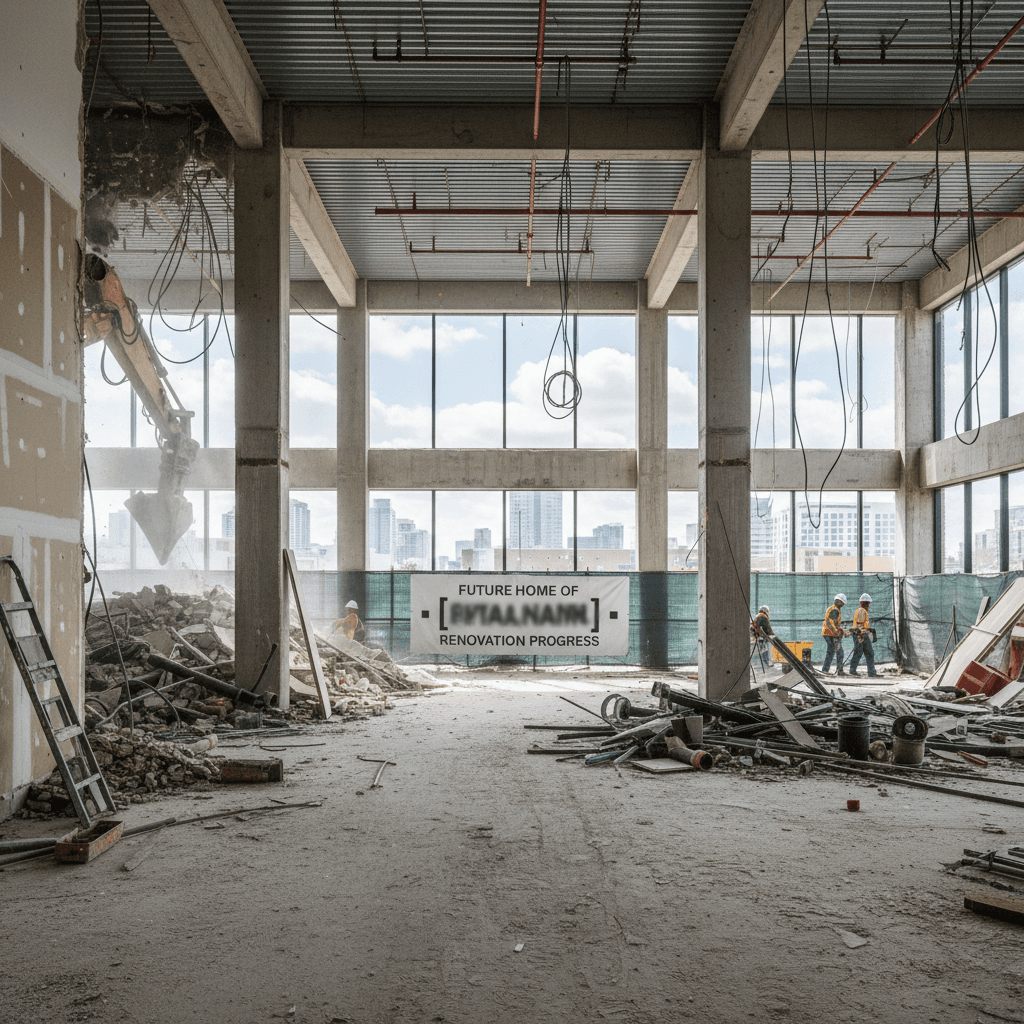
Understanding the total project scope requires distinguishing between commercial interior demolition and a complete site clearing. A white box or vanilla shell demolition focuses on preparing a retail or office space for a new tenant by stripping it down to the structural essentials. This process involves the systematic removal of drywall, flooring, and drop ceilings. Because this work often occurs within occupied buildings or tight retail corridors in Palm Desert, it relies heavily on manual labor and specialized tools rather than massive excavators.
For these interior projects, the commercial building demolition cost per square foot typically ranges from $3 to $12. While this rate may appear lower than a full structural removal, the labor intensity is significantly higher. For example, a 6,000 square foot drywall demolition requires meticulous debris sorting to meet California’s strict waste diversion mandates. Furthermore, the interior price tag must account for the precision required for plumbing and electrical cap offs. Safely disconnecting utilities and sealing lines without interrupting the rest of the building's infrastructure is a technical task that requires skilled tradespeople.
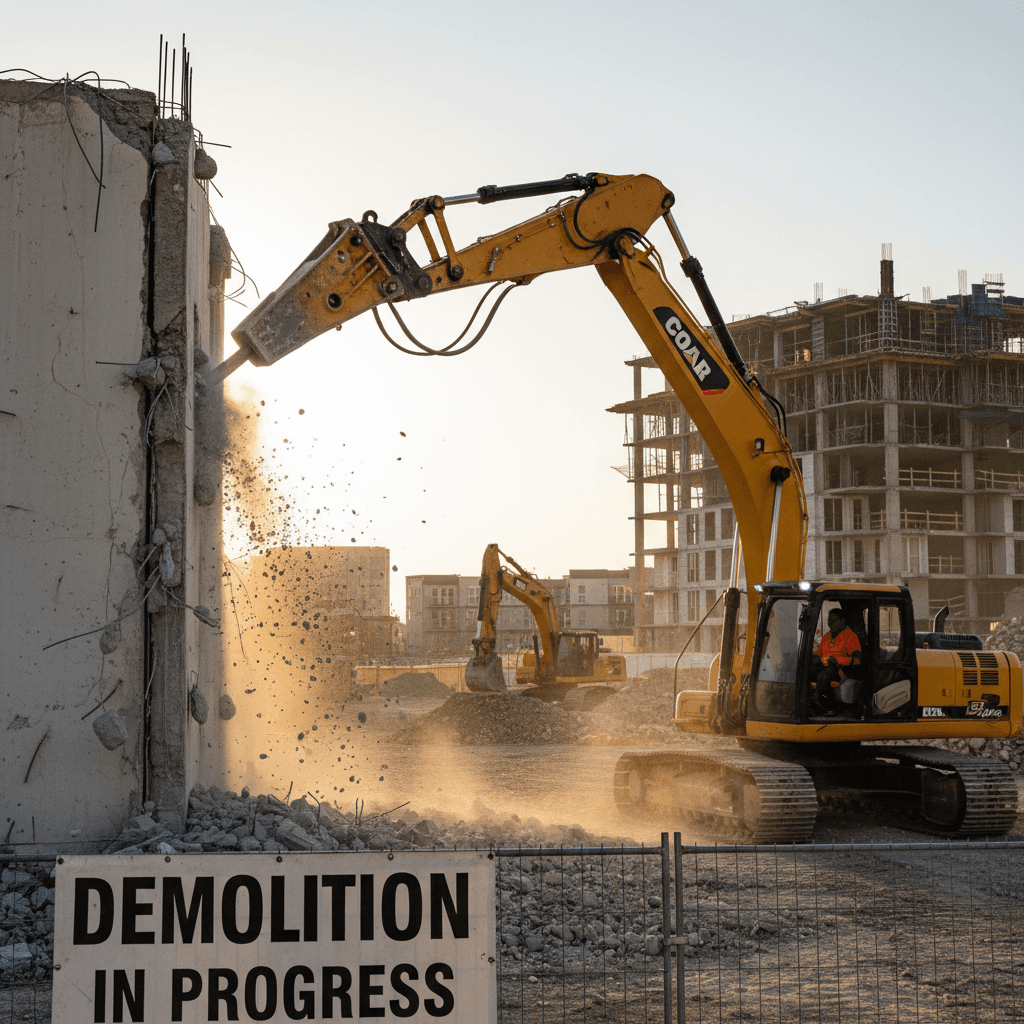
In contrast, exterior teardown services are primarily driven by heavy machinery costs. When the objective is a total building removal, the budget shifts toward equipment mobilization, fuel, and high volume hauling. While a full teardown involves significantly more tonnage, the speed of mechanical demolition often offsets the cost, whereas an interior gut requires a room by room, manual approach to preserve the building’s shell and shared walls. Choosing between these methods depends entirely on whether the property is being repositioned for a new tenant or cleared for entirely new construction.
Major Cost Drivers for Demolition Projects in Palm Desert
While the specific type of teardown sets the baseline, local variables in the Coachella Valley dictate the final invoice. Palm Desert presents unique environmental and regulatory challenges that do not exist in other regions. Understanding these factors is essential for property owners who want to avoid the mid-project price spikes common with inexperienced contractors.
### Asbestos and Hazardous Materials Many commercial properties in Palm Desert, particularly mid-century builds and older retail centers, contain hazardous materials. Asbestos was frequently used in floor tile mastic, roofing felt, and thermal insulation. California law requires a thorough inspection before any comprehensive demolition services begin. If hazardous materials are detected, remediation typically adds $2 to $3 per square foot to the project. Demo Demo Demo manages the testing and abatement coordination to ensure the site is cleared safely and legally.
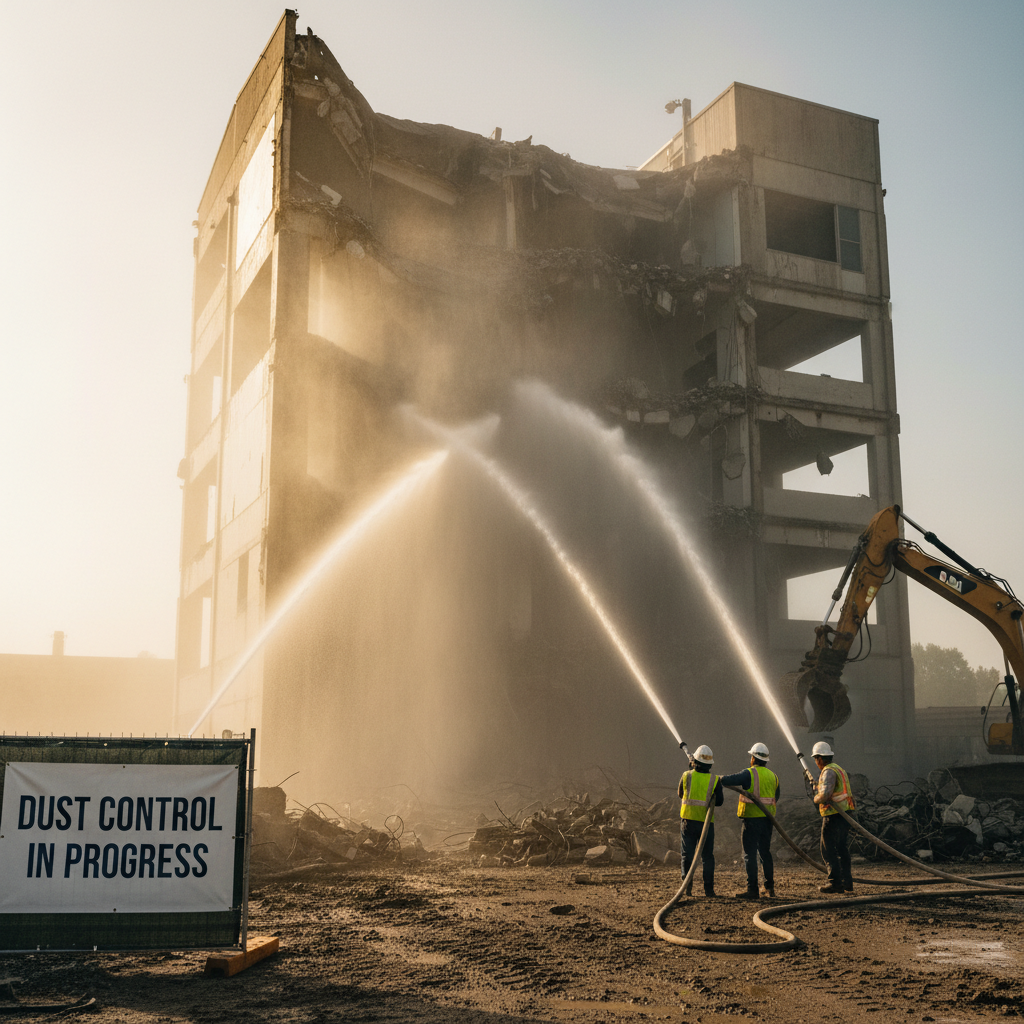
### Dust Control and Environmental Compliance In desert environments, dust mitigation is a primary cost driver. The South Coast Air Quality Management District (SCAQMD) enforces strict regulations under Rule 403 to prevent airborne particulate matter. This requires specialized equipment, including high volume water trucks and dust suppressants, to stabilize the soil during and after the teardown. Failure to implement these controls can result in significant daily fines and project shutdowns, making proper planning a financial necessity.
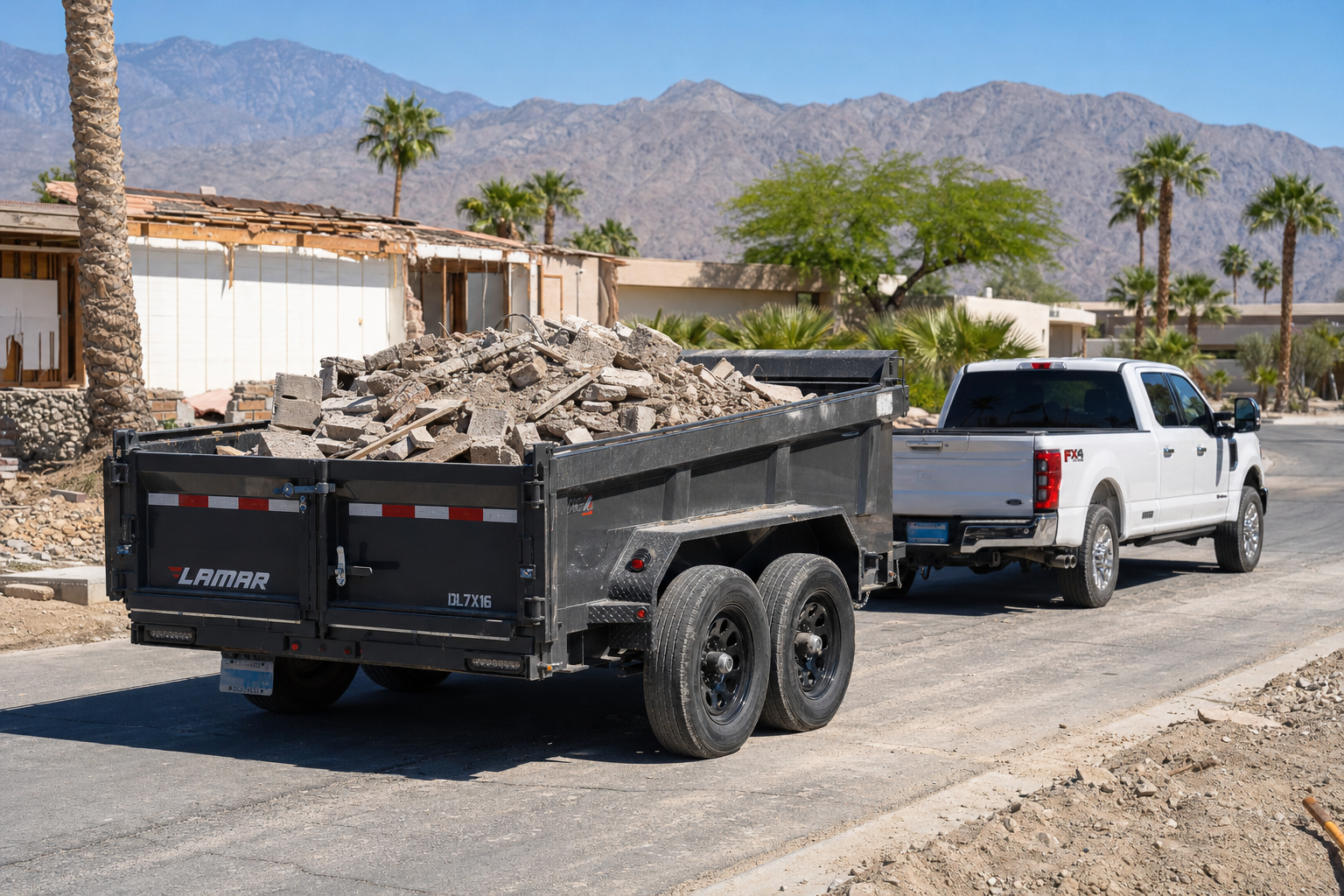
### Landfill Fees and Waste Diversion California’s CALGreen standards mandate that commercial projects divert at least 65 percent of non-hazardous debris from landfills. This requires meticulous on-site sorting of concrete, steel, and wood. The proximity to regional disposal facilities, such as the Coachella Valley Transfer Station, influences hauling costs. Because heavy materials like reinforced concrete incur higher weight based tipping fees, the logistical efficiency of the hauling schedule directly impacts the commercial building demolition cost per square foot.
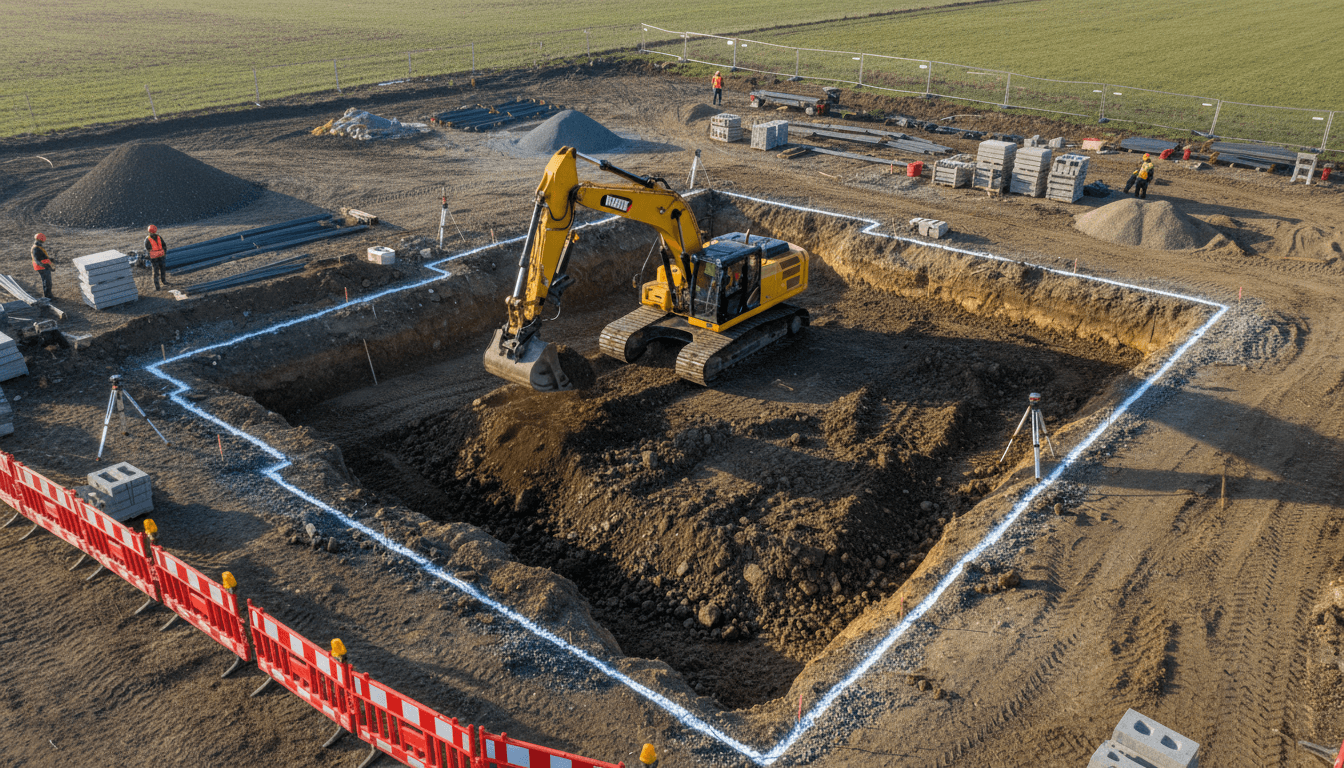
### Site Accessibility and Proximity The physical environment surrounding the building determines the machinery required. A project in a wide-open industrial lot allows for larger excavators and faster cycles. Conversely, a retail unit in a congested plaza requires precision equipment and careful staging to avoid disrupting adjacent businesses or damaging shared utilities. Demo Demo Demo specializes in these tight-access projects, utilizing strategic scheduling to navigate local traffic patterns and site constraints, ensuring the project remains on budget and on time.
Hidden Expenses in Commercial Demolition Estimates
Low-ball estimates often omit the administrative and technical soft costs that eventually surface on the final invoice. Property owners should first scrutinize permit fees. In Palm Desert and surrounding Riverside County, demolition permits typically range from $200 to over $1,000. Failing to account for these, along with necessary utility disconnect fees from local providers like Southern California Edison, can lead to immediate budget overruns. If the project involves commercial interior demolition where only a portion of the structure is removed, structural shoring becomes a vital expense. Temporary bracing and supports are required to maintain the integrity of the remaining building, a specialized task that goes beyond simple debris removal.
Waste management strategies also fluctuate in price. While simple dumping might appear cheaper, California mandates high diversion rates that require sophisticated sorting. For projects seeking LEED certification, the requirement for precise material tracking and higher recycling benchmarks can increase the commercial building demolition cost per square foot. This specialized process involves separating concrete, metals, and timber to meet strict sustainability standards. Although this requires more manual labor than standard comprehensive demolition services, it is often necessary for modern commercial developments to remain compliant with local green building ordinances and tax incentive programs. Ensuring these logistics are included in the initial quote prevents expensive surprises during exterior teardown services.
Five Essential Questions to Ask Your Demolition Contractor
Selecting a partner for a large scale project requires looking past the bottom line of an estimate. To ensure the quoted commercial building demolition cost per square foot reflects the total final price, property managers must ask specific questions that address local regulations and operational logistics. This vetting process separates professional outfits from those who provide incomplete bids.
Is the disposal and hauling included in the per square foot rate? Some contractors separate labor from tipping fees and hauling to make their initial bid look lower. Confirming that these are bundled ensures your budget remains stable, especially given California’s strict debris diversion requirements for comprehensive demolition services.
How do you handle unexpected hazardous materials? In the Coachella Valley, discovering asbestos or lead mid-project is common. Ask for a specific protocol regarding discovery and how it will impact both the timeline and the overall budget.
Are you licensed for large scale commercial work in California? Verify that the contractor holds an active C-21 license. This is critical for insurance compliance and ensures the team is qualified to manage the liabilities associated with structural teardowns.
What is your plan for dust and noise mitigation? Palm Desert projects often sit adjacent to active retail or office spaces. A professional contractor should have a clear strategy for SCAQMD Rule 403 compliance, utilizing high volume water trucks and strategic scheduling to minimize disruption.
Does the estimate include a final site clear and grade? A complete exterior teardown services package should leave the lot build-ready. Ensure the quote covers the removal of underground footings and final soil stabilization to prevent future development delays.
How to Calculate Your Estimated Demolition Budget
Developing a preliminary budget requires a structured approach that accounts for both the physical footprint and the unique environmental surcharges of the Coachella Valley. You can estimate your project using a simple manual formula: (Total Square Footage × Base Rate) + Specialized Surcharges. The base rate typically covers labor and standard machinery, while surcharges include hazardous material remediation, SCAQMD compliant dust control, and local permitting fees.
For example, consider a 10,000 square foot retail space in Palm Desert requiring a full commercial interior demolition gut and a selective exterior facade removal.
Expense Category | Unit / Type | Estimated Cost |
|---|---|---|
Base Rate (Combined Services) | 10,000 sq ft @ $15/sq ft | $150,000 |
Asbestos Abatement | Estimated 2,000 sq ft area | $6,000 |
Permitting & Utility Capping | Local municipal fees | $1,800 |
Specialized Equipment | High reach facade tools | $3,500 |
Total Estimated Budget |
| $161,300 |
In this scenario, the commercial building demolition cost per square foot totals $16.13. By identifying these line items before soliciting comprehensive demolition services, property owners can ensure their capital improvement budgets are realistic. This level of detail prevents the financial friction often caused by exterior teardown services quotes that ignore Palm Desert's specific soil stabilization and waste diversion requirements.